Feb. 11, 2026

Guam Real Estate Investment Guide (2026): Military Rentals


Maximize Rental Income with the Military + Defense Growth Thesis

Guam is a unique U.S. market: constrained land, high replacement costs, and a tenant pool shaped by government and defense activity. The near-term play is straightforward—buy assets that match the highest-liquidity renter profiles (military PCS, DoD civilians, contractors), protect the downside with resilient construction and systems, and run underwriting like a commercial operator.

1) Why Guam, why now: the demand catalysts

Military relocation + new base activity

Guam continues to prepare for additional Marine presence tied to the long-running Okinawa relocation plan; reporting and official statements reference roughly 4,000 Marines expected on Guam in phases, supported by the development and readiness of Camp Blaz. 

Off-base housing pressure is real

Local reporting and defense coverage point to the military pursuing ~2,400 housing units as part of initiatives to support incoming personnel—an indicator that housing supply is a strategic constraint. 

Defense infrastructure investment = contractor + support demand

Independent oversight (GAO) describes missile defense on Guam as a DoD priority with additional systems planned—this matters because large defense programs pull in contractors and support staff, which expands the pool of “professional renters.” 

2) Snapshot: Guam rents and what that implies for underwriting

Realtor.com’s Guam market overview cites a median monthly rent around $2,400 (market-level, not neighborhood-specific). Use this as a directional anchor, then validate with street-level comps and current listings. 

Investor implication: Guam is not a “cheap rent” market—your success hinges on (1) product-market fit, (2) uptime (A/C + utilities), and (3) asset durability.

3) The investor playbook: pick the right “renter persona”

Think in segments and buy for the most bankable segment(s):

Segment A — Military PCS (high volume, predictable cycles)

What they rent: 3–4BR single-family, townhomes, some condos (depending on command + family size)

What they care about: commute reliability, A/C performance, safe parking, fenced yard/pet acceptance, and clean move-in condition.

Allowance mechanics: Housing allowance rules are published and updated annually; direct prospects to official DoD resources for current entitlements and calculators rather than guessing rates. 

Segment B — DoD civilians + contractors (premium for convenience)

What they rent: newer homes, upgraded finishes, generator-ready, strong internet, turnkey furnishings (sometimes)

What they pay for: low-friction living + reliable systems.

Segment C — Tourism/executive renters (location-driven)

What they rent: Tumon/Tamuning condos or executive-style homes near amenities

What they care about: walkability, views, security/parking, building quality and HOA operations.

4) Where to buy: “demand corridors” (not hype neighborhoods)

Instead of promising one “best area,” use corridors based on renter behavior:

North Corridor (Yigo / Dededo / Andersen & Camp Blaz sphere)

Best for: military + contractor demand, larger homes, yard-centric living

Buy box: 3–4BR, 2+ bath, parking, fenced yard, durable roof/windows, strong water pressure, modern electrical

Central Corridor (Tamuning / Harmon / Barrigada / Mangilao adjacency)

Best for: DoD civilians, medical, corporate renters; commute flexibility

Buy box: upgraded single-family and well-run townhome/condo product with solid HOA financials

Resort/Convenience Core (Tumon / parts of Tamuning)

Best for: executive renters; select investor condos (if HOA + insurance pencil)

Buy box: buildings with stable reserves, clear rental policies, and consistent maintenance history

5) Property types that typically “pencil” on Guam

Priority stack (most common winners):

  1. Single-family (3–4BR): widest tenant pool, easiest to re-tenant

  2. Townhomes: good middle ground if HOA is strong

  3. Select condos: only when HOA rules + insurance + reserves are investment-grade

  4. Small multifamily (2–4 units): rare but powerful—best long-term wealth compounder when available

Rule: Don’t buy a “paper yield” deal that’s one typhoon away from a capex cliff.

6) Underwriting framework (simple, operator-grade)

Use this exact checklist so your numbers don’t lie:

Revenue (be conservative)

  • Base rent from closed comps + current active listings

  • Vacancy: underwrite vacancy even if “it always rents”

  • Other income: pet rent, yard maintenance pass-through (if market-supported)


Expenses (don’t underestimate Guam realities)

  • Property management

  • Turn costs (deep clean, paint, minor repairs)

  • A/C maintenance and replacement reserve

  • Landscaping (many tenants expect it handled)

  • Insurance + storm deductibles

  • HOA (if applicable) + special assessment risk

  • Capex reserve (roofing, windows, water intrusion mitigation)


7) Military-renter “rentability” checklist (what drives faster leasing)

If you want speed-to-lease and lower vacancy, spec your buy box to these:

  • Cold A/C across the home; modern units

  • Covered parking + extra parking

  • Fenced yard (or at minimum pet-friendly policy)

  • Window/door seals, moisture control, no active leaks

  • Backup power readiness (generator plug/transfer switch is a moat)

  • Safe storage space (military families carry gear)


8) Legal + compliance: don’t get sloppy

Guam has specific landlord-tenant rules around deposits and notices. For example, Guam resources cite security deposit return timelines and itemization requirements under Guam law. 

Investor takeaway: Build a standardized move-in/move-out process, photo documentation, and itemized accounting from day one.

9) Risk management for Guam (protect the NOI)

Guam risk is operational, not theoretical:

  • Typhoon hardening: roof, fasteners, shutters, drainage, tree risk

  • Water intrusion control: grading, gutters, seals, humidity

  • Insurance reality: know deductibles, exclusions, and claims process

  • Vendor bench: A/C, electrical, plumbing, roofing—pre-vetted


10) Remote investor operating model (off-island friendly)

If you’re buying from the mainland or overseas, treat this like a business acquisition:

  • Local boots-on-ground inspections + video walk-throughs

  • Clear scope-of-work and capex plan before closing

  • Property manager selected before you take title

  • Leasing plan ready: pricing, listing, showing protocol, tenant screening


FAQ (high-intent, “People Also Ask” optimized)

Is Guam a good place to buy a rental property?

Guam can be attractive for rentals because demand is supported by military rotations and limited housing supply, while defense investment can expand the professional renter pool. 


What areas are best for military renters on Guam?

Investors often focus on North and Central demand corridors that offer commute reliability and family-friendly housing product near key employment nodes.


Do military tenants use BAH in Guam?

Housing allowances are governed by DoD policy and updated annually; use official DoD calculators and published guidance for current numbers and eligibility rules. 


What’s the biggest risk for rental property owners in Guam?

Operational resilience: storms, maintenance (especially A/C), insurance structure, and executing landlord-tenant compliance cleanly. 
Sept. 21, 2023

All About Guam

Here you will find all the details you will need to know about Moving to Guam. We are happy to be your complete guide to the island life! 


PAGE IN PROGRESS. Please Visit us again! 


Posted in Living on Guam
July 1, 2022

Fee Simple vs Leasehold Properties

Fee Simple Vs. Leasehold 

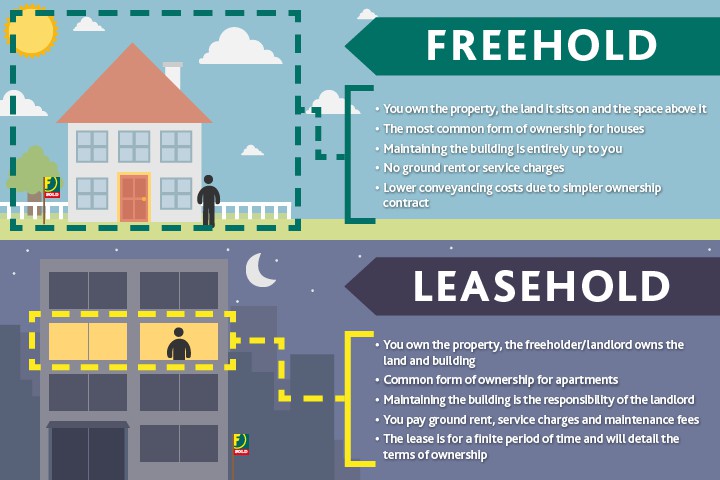
There are different types of home ownership and the difference is quite drastic. One lets you buy the home and keep it FOREVER until you decide to transfer title and the other, well... expires with the land. Here is what you need to know about fee simple and leasehold properties.

Leasehold

You guess it, this option is a lease and expires with the ground lease. Usually, these are long term leases (ex:100 years, 50 years). The land is leased long term for a cheaper price than buying. When the ground lease expires, HOA can try to renegotiate an extension to renew the long term lease. Each owner then would be purchasing their share to extend their ownership. When searching for homes you can inquire on the duration of the remaining lease term. It is difficult to get a mortgage on these units and your ability to secure a loan will depend on how much time is left on the lease. Each banks response will vary. In general, your ability to mortgage a condo in general has many factors including ratios of owner to tenant occupancy, insurance coverage and more so, if you are interested in buying a leasehold condo you'll have to shop around to find the right bank. Your realtor will have an idea of what banks can help. Ask your realtor for help.

Pros- It is usually a lot cheaper to purchase these condos. This is great for investors that want a great rate of return.

cons- Your value dwindles with time as the lease end gets closer. Your interest in the property has a lifespan of the lease. 

Fee Simple

Fee simple is the most complete form of ownership. This option does not expire. You will own the unit until you decide to transfer title to anyone else. The land and all the upgrades belong to you entirely. Fee simple homes specifically condos are much easier to finance.

Pros- Your value increases over time with the market trends. You never have to worry about re-purchasing your share in the property

Cons- Usually more expensive to purchase a fee simple property  


Posted in Helpful Resources
June 24, 2022

Guam Utility Connection Information

Setting up utilities and knowing where to go can be difficult when you have a lot going on at the same time. Here is a list of all the vendors and locations to help you navigate through the process. (P.S click on each of the maps below to get the  exact directions to each location)

Prefer to connect utilities via email? Applications and supporting documents for new power accounts can be emailed to customersfirst@gpagwa.com. Business customers can email requests and documents to businessfirst@gpagwa.com. GPA will prioritize processing of these requests on a case-by-case basis according to needs and resources 

Guam Power Authority 

Website: https://guampowerauthority.com/

Phone Numbers: (671) 648-3000

Operation Hours: 7am to 5pm Monday to Friday 

Pay online website set up: https://paygpa.com/

Tenants- To connect power you will need your accepted (signed by all parties) lease agreement, utility authorization (this is prepared by your landlord or authorized representative), ID's and deposits. 

-Your Landlord will usually have the address on the authorization for the utility company to reference. Having account or meter numbers is helpful but not mandatory. It is extremely helpful if your landlord references the current or immediate past account holder on your authorization sheet. If the utility company isn't able to locate your account, ask your landlord for these additional information. 

-Deposits vary depending on size of the home and a/c units. Guam Power Authority will likely already have this information on file and attached to the homes information. Deposits are usually:

1 BR w/o A/C- $125

1BR with A/C- $175 

2BR w/o A/C- $150

2BR with A/C- $300

3BR w/o A/C- $200

3BR with A/C- $400

4BR w/o A/C- $250

4BR with A/C $500+

For more information on deposit returns, meter readings and more refer to: GPA CUSTOMER SERVICE 

-Connection fee $25 not including expedite fee. 

-You can request immediate/same day connection for power.

Home Owners/Buyers- You will need your deed that was given in your closing packet. There is no deposit required for home owners. Bring your ID and connection fees. 

Guam Water Authority 

Website: http://guamwaterworks.org/

Phone Numbers: 671-647-7800 

Operation Hours: 8am to 6pm Monday to Friday, 9am to 1pm Saturday 

Pay online website set up: https://paygwa.com/

-Water deposit is will be around $35.  Water will have a 1-2 day connection. Same day connection is not an option. If utilities are already connected, there will be no disruption in service however if utilities are not connected, prepare for a delay in water service to your home. 

-Connection fee $25.

(All Locations offer transfer of both services in the same location)

Hagatna Location 

Backroad Mangilao Location 

Drive through payment window open Monday to Friday 7:30 am to 3:30pm 

Upper Tumon Location 

Drive through payment window open Monday to Friday 6:30am to 3:30pm 

Guam Solid Waste Authority

Website: https://www.guamsolidwasteauthority.com/

Phone Number: +16716463111

Operation Hours: 8am to 5pm Monday to Friday 

Pay online website set up: https://www.online-billpay.com/Default.aspx

GSWA Application

Places to discard items that are not allowed in the regular or recycle bins: GSWA Resources 

If you are renting and living in a condo or townhome you will likely have a commercial trash bin included in your rent. If you have a single family home, you will need to apply for trash services. There is no deposit for trash. Once you apply, you will be given a pink slip to place in a visible area of your home for you bin to be delivered. Lately there has been a shortage in bins. If bins are in supply, you will get a regular black top bin for normal trash and a recycle green top bin. (see website for itemized list of what can be thrown into each bin). Trash payments are check only or cash to their remote payment locations, I recommend signing up for online bill pay. 

-Monthly fee $30.38 per month 

Utility Application to be uploaded soon. 


Posted in Service Vendors
July 31, 2017

Curious About Local Real Estate?

Receive the Latest Local Market Stats

Curious about local real estate? So are we! Every month we review trends in our real estate market and consider the number of homes on the market in each price tier, the amount of time particular homes have been listed for sale, specific neighborhood trends, the median price and square footage of each home sold and so much more. We’d love to invite you to do the same!

Get Local Market Reports Sent Directly to You

You can sign up here to receive your own market report, delivered as often as you like! It contains current information on pending, active and just sold properties so you can see actual homes in your neighborhood. You can review your area on a larger scale, as well, by refining your search to include properties across the city or county. As you notice price and size trends, please contact us for clarification or to have any questions answered.

We can definitely fill you in on details that are not listed on the report and help you determine the best home for you. If you are wondering if now is the time to sell, please try out our INSTANT home value tool. You’ll get an estimate on the value of your property in today’s market. Either way, we hope to hear from you soon as you get to know our neighborhoods and local real estate market better.

Posted in Market Updates